
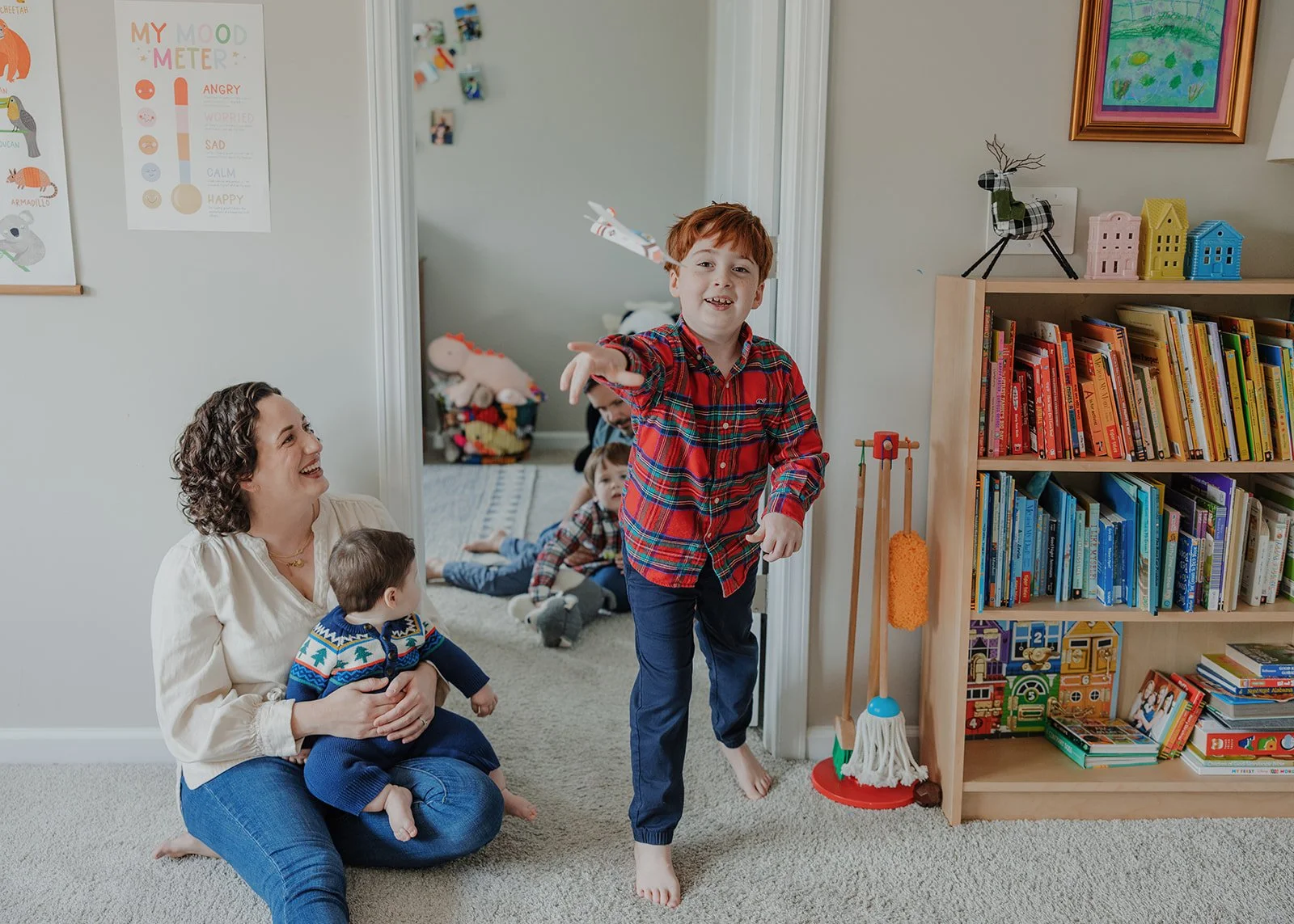
When families begin searching for an autism-friendly family photographer in Raleigh, they’re often carrying more than the usual stress about outfits and schedules. Many parents have had experiences where their child was misunderstood, rushed, or expected to behave in ways that simply didn’t work for them.
I want families to know something right away: you never have to apologize for or explain your child’s behavior during a session with me.
Meltdowns, stimming, transitions, sensory sensitivities, and physical challenges are not problems to solve or behaviors to hide. They are part of your child’s world, and my role as a photographer is to create space where your family can feel safe, seen, and genuinely joyful.
As both a mom to a neurodivergent child and someone who has lived with Tourette’s Syndrome, I understand firsthand how overwhelming unfamiliar environments and expectations can be. That lived experience shapes how I approach every session I photograph across Raleigh, Durham, Chapel Hill, and the surrounding communities.
Below are some of the ways I design sessions so families with children on the autism spectrum can have an experience that feels calm, flexible, and meaningful.
What Makes an Autism-Friendly Family Photographer in Raleigh Different
Many traditional photo sessions follow a tight schedule: arrive, pose, smile, move on to the next shot.
For some families, that structure works perfectly. But for many children on the autism spectrum, that pace can create unnecessary pressure.
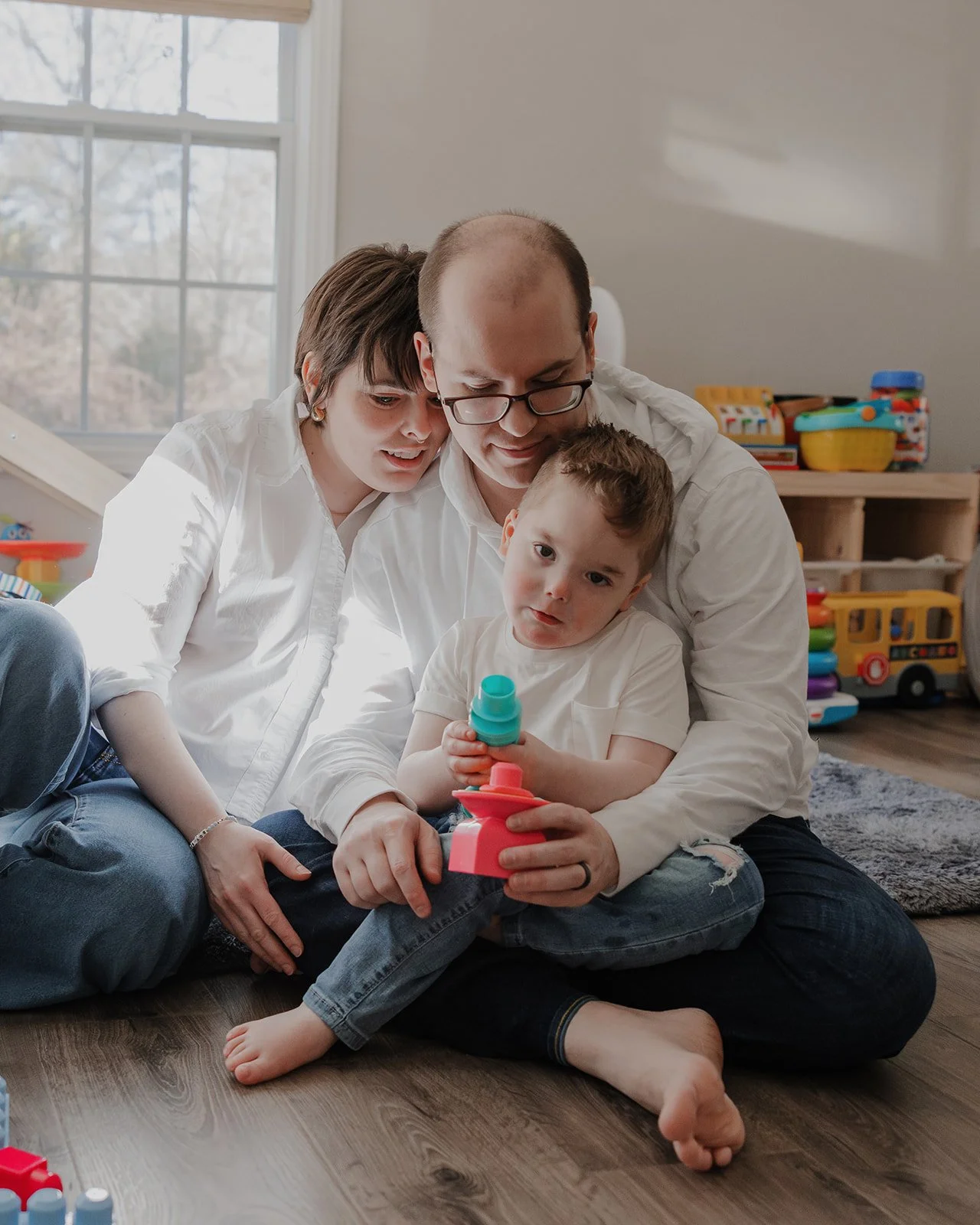
An autism-friendly family photographer in Raleigh approaches sessions differently. The focus shifts away from rigid posing and toward creating an environment where children can regulate their bodies, explore their surroundings, and interact with their parents in ways that feel natural.
The result is not only a smoother experience; it also leads to photographs that feel far more authentic.
Five Ways I Create Easy, Accessible Family Photo Sessions
1. Detail-Rich Pre-Session Conversations
A successful session begins well before I pick up my camera.
Before every session, I connect with parents via Zoom or in person to talk about their child’s unique needs and personality. We discuss things like:
What your child gets excited about
Sensory inputs that may feel dysregulating
Tools that help them feel calm and safe
These conversations help me show up not as a stranger with a camera, but as someone who already understands your child’s world.
During one of these conversations, a mom of a ten-year-old boy on the autism spectrum shared something that stuck with me. I asked her:
“What’s something your child does that you would love to see captured that other photographers might not think about?”
She teared up as she told me that when her son feels truly happy, he stims by flapping his hands. Previous photographers hadn’t photographed those moments because they didn’t realize how meaningful they were.
For her, those moments weren’t something to hide. They were a sign that her child was experiencing real joy.
That’s exactly the kind of moment I want to preserve.
2. A No-Clock, Child-Led Approach
Traditional sessions often run on tight timelines. For many families, that ticking clock can create stress before the session even begins.
My sessions are intentionally flexible and child-led.
If a child needs a break to decompress, we take it. If they want to explore a room or play with a favorite toy, we lean into that moment.
Removing time pressure allows the session to unfold naturally, which often leads to the most genuine images.
3. Personalized Video Introductions
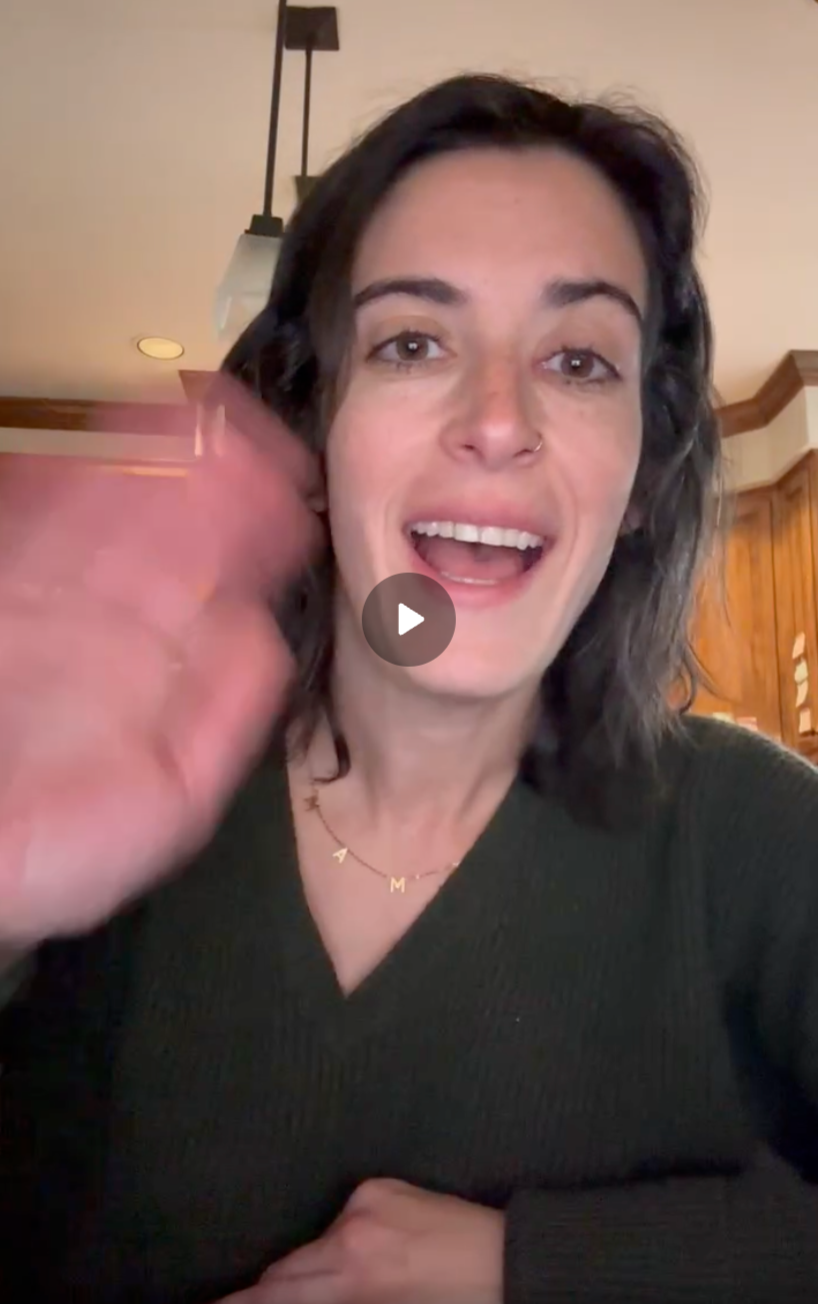
For children who feel nervous around new people, I often send a short personalized video introduction before the session.
In the video, I introduce myself, show them my camera, and talk about some of the things we might see or do together.
By the time we meet in person, I’m no longer a complete stranger. For many kids, that familiarity can make a big difference.
4. Transition-First Planning
Transitions, like getting out of the car or entering a new environment, can be some of the hardest parts of the day for many kids.
Instead of starting the session the moment a family arrives, I build in buffer time. Kids can explore the space, touch the grass, move their bodies, and regulate themselves while I get to know them without a camera pointed at their face.
Only once everyone feels comfortable do we begin photographing.
5. Collaborative Exit Strategies
Ending a session smoothly is just as important as starting one.
I work with parents to plan a transition that helps the child leave feeling successful. That might mean using a visual timer to count down the last few minutes or ending the session near something exciting, like a playground or a planned treat.
The goal is for your child to walk away feeling like they succeeded, not like they were pushed beyond their limits.
Why In-Home Family Sessions Often Work Best For Kids on the Autism Spectrum
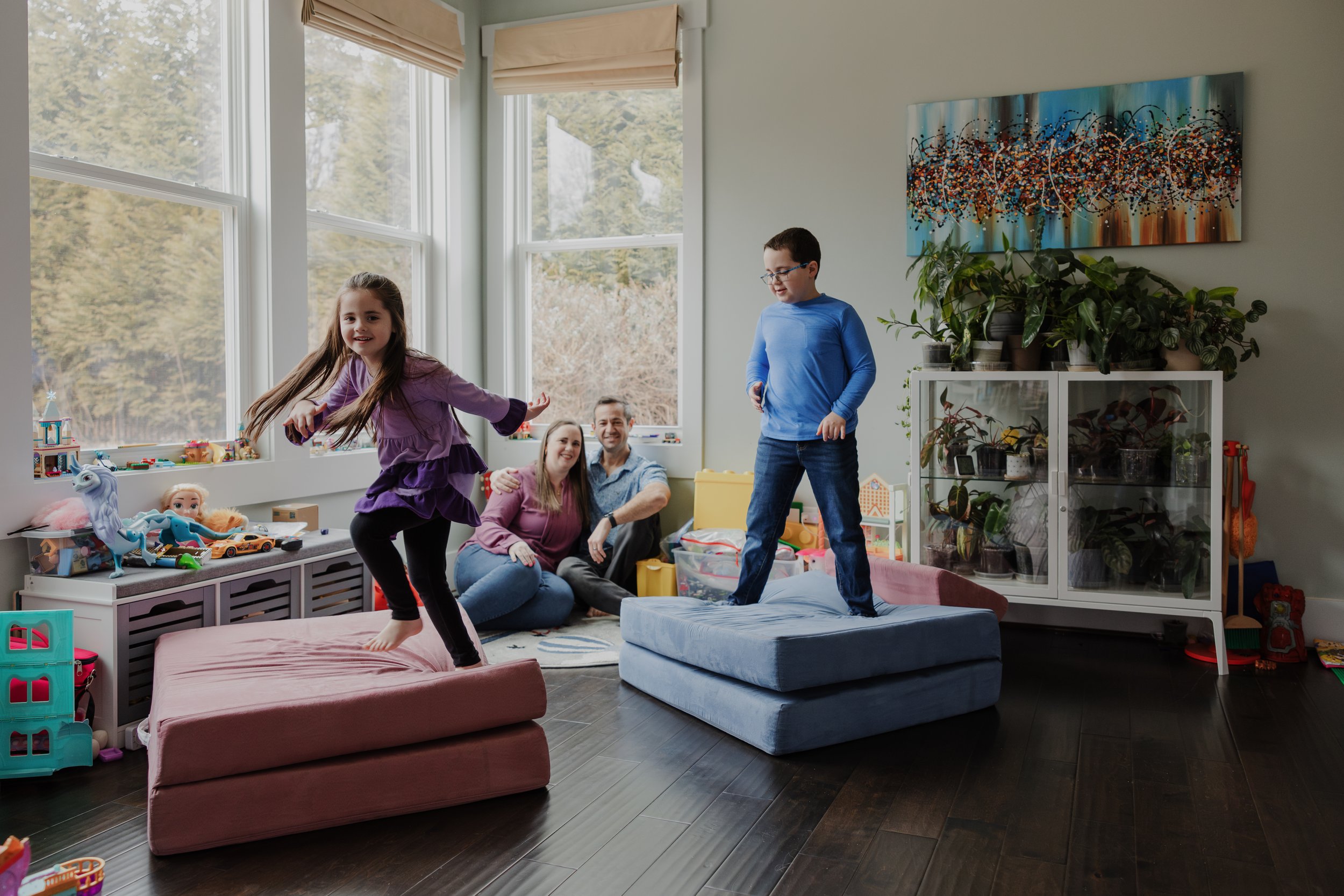
While I photograph families throughout the Raleigh area, many of my sessions with children on the autism spectrum happen in the family’s home.
Home is often where children feel safest. It’s familiar. The sounds, textures, and routines are predictable.
That sense of safety can make a huge difference during a photo session.
And one thing I want parents to hear clearly: your home does not have to be perfect to be a meaningful backdrop.
The most powerful family photos rarely come from spotless rooms. They come from real moments: reading books together on the couch, playing in a child’s bedroom, or snuggling on the living room floor.
Your Family Deserves to Be Documented Exactly As You Are
One misconception I hear from parents is that photographers may feel uncomfortable working with families whose needs are more complex.
I want to say this clearly: you never have to apologize for your child with me.
My role isn’t to make your child fit into a traditional photo session. My role is to create a space where your family’s real connection, love, and joy can shine through.
If you’re curious about locations that tend to work well for sensory-sensitive sessions, check out my list of the top 5 best locations in Raleigh and Cary.
Looking for an Autism-Friendly Family Photographer in Raleigh?
If you’re hoping to document this season of your family’s story with a calm, flexible approach, I’d love to talk.
And if you’d like to explore more of my work with Raleigh-area families, you can also browse additional stories and sessions on the blog.