
For family photographers who want to confidently photograph neurodivergent and medically complex families:
You want to be a more inclusive
family photographer.
I’m creating a course to help you plan a session with each family’s real life in mind: choosing a location that’s safe for a child who may wander, making room for feeding tubes and other medical equipment, and knowing how to photograph a child without asking them to make eye contact or sit still. You’ll learn to ask parents what helps their child feel regulated, recognize when they’re getting overwhelmed, and photograph each family’s joy and love in ways that honor their story.
Where do you start?
You care about making beautiful photos for every family who comes to you. But when a family shares that their child is neurodivergent or has complex medical needs, you may wonder what to ask, how to plan the session, and whether you’ll know what to do once you’re there.
I’m Devin Desjarlais, a Raleigh family photographer, and I’m creating a course to help you photograph neurodivergent and medically complex families from the first email to gallery delivery. We’ll talk about learning what each child can do and what they need, adapting your direction to what each person can do, and recognizing what regulation and dysregulation look like for the individuals at the center of each family’s story.
Most of all, I want to help you show families who may have wondered whether a photo session could work for them that beautiful, joy-filled photos of their family are possible.
I’m building this course now. Sign up for practical tips as I build it and an email when it’s ready.
Get Course Updates & Practical Tips!
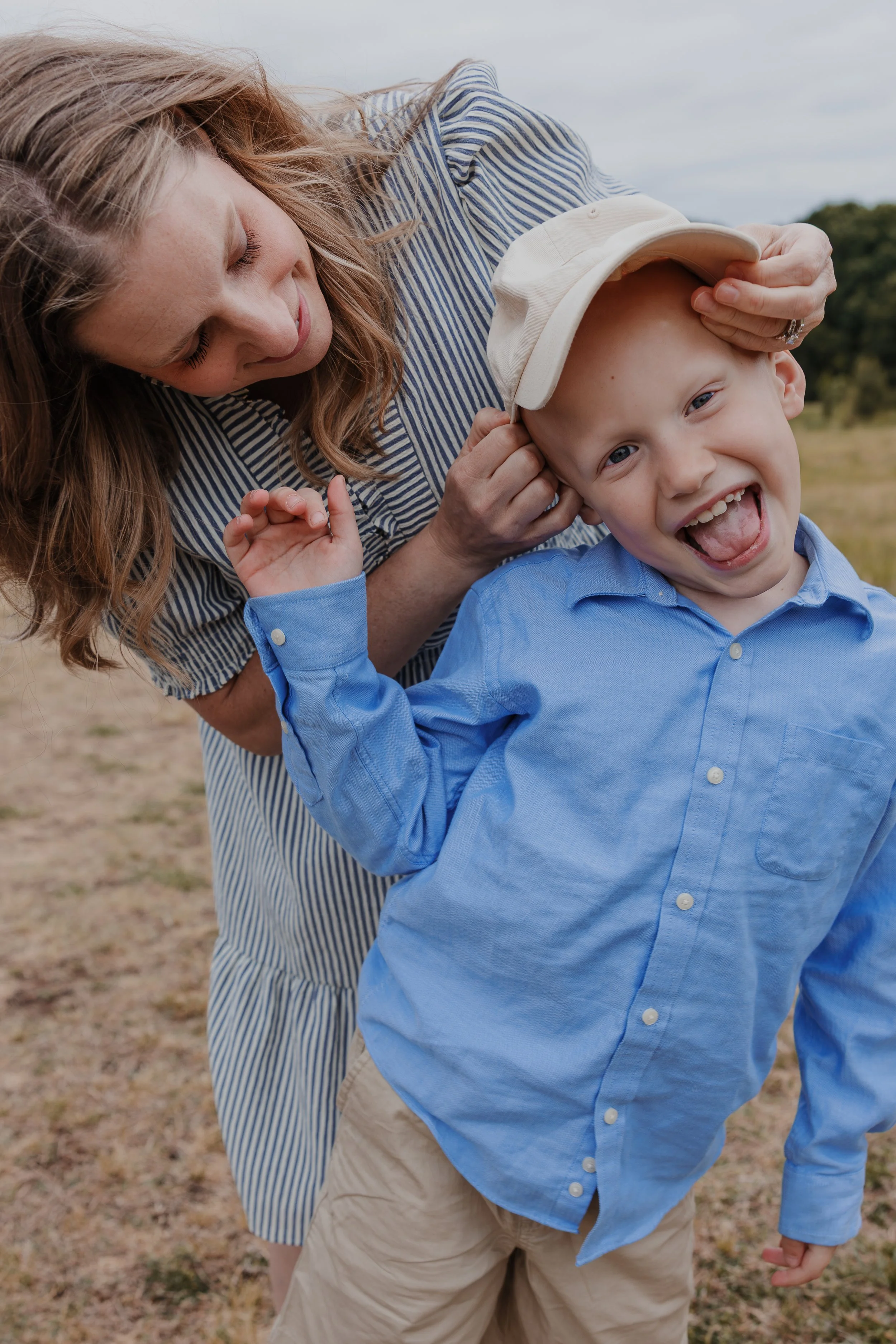
BEING INCLUSIVE TAKES more THAN SAYING EVERY FAMILY IS WELCOME.
You can mean that with your whole heart and still feel unsure when a parent tells you their child with autism may run away, their child with a PDA profile needs suggestions over directions, when eye contact is impossible for a child with a rare disease, or when physical movement is difficult for a medically complex child. What do you ask so you're not making assumptions? How do you choose a safe location? When do you keep photographing, and when do you put the camera down and give everyone a minute?
You’ll learn how to have informed conversations with parents before a session and use what they tell you to make decisions from start to finish that will lead to an enjoyable experience and beautiful photos that are unique to each family. We’ll look at how those conversations shape the location, the way I direct everyone, the moments I choose to photograph, and the images I deliver. You’ll learn how to make those choices for the family in front of you, even when the session takes a turn you didn’t expect.
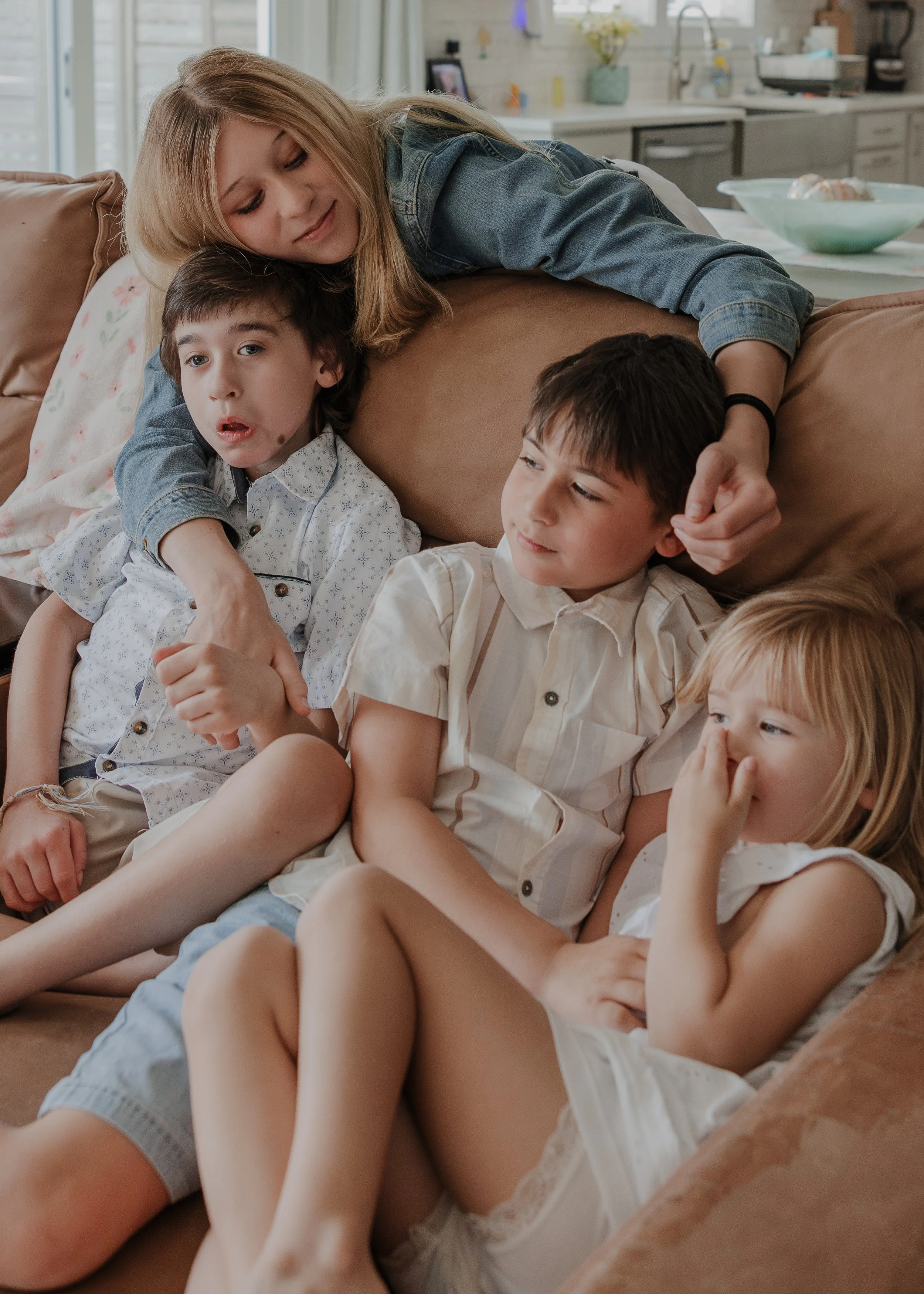
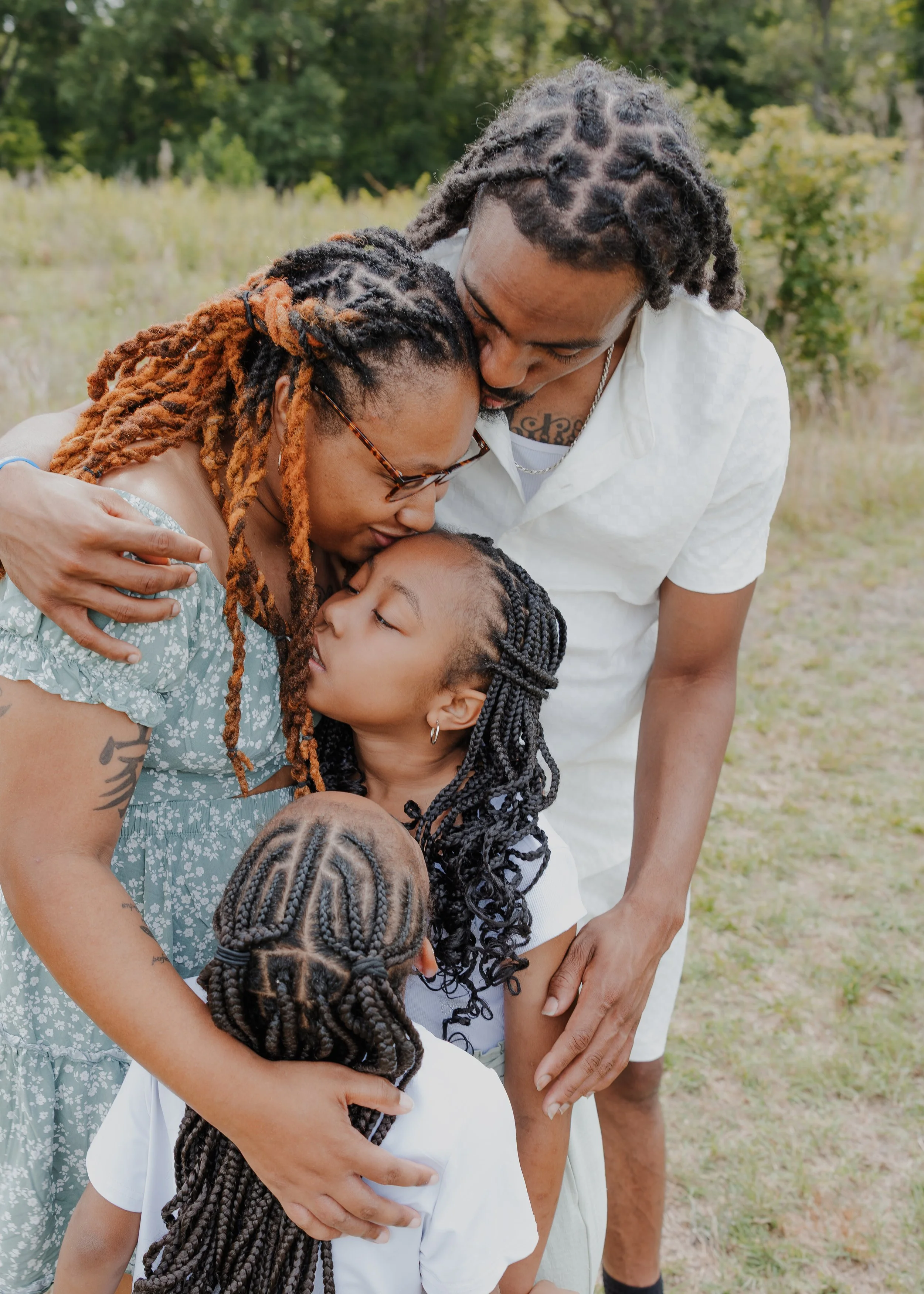
WHAT GOES INTO AN INCLUSIVE FAMILY PHOTO SESSION?
Photographing neurodivergent and medically complex families begins well before you pick up your camera. In this course, I’ll walk you through the choices I make from the first conversation to the final gallery, and show you how to make those choices for the family in front of you.
-
Learn what to ask parents about their child’s abilities, communication skills, sensory needs, medical equipment, and what helps them regulate theri emotions. Just as important, you'll learn how to determine what each family considers a beautiful photo to be. Their answers will help you choose a location, plan for safety, and create a session they can enjoy, with photos that feel personal to their story.
-
Learn how to direct family members when a child can’t or doesn’t want to follow your usual prompts. We’ll talk about movement, eye contact, regulation, and knowing when to give someone space. You’ll see how to adjust your plan while still making photographs that feel connected and full of life.
-
A successful gallery won’t look the same for every family. Learn to recognize the expressions, interactions, and small moments the parents told you mattered to them. Then select and deliver photos that let them see their family as they know and love them.

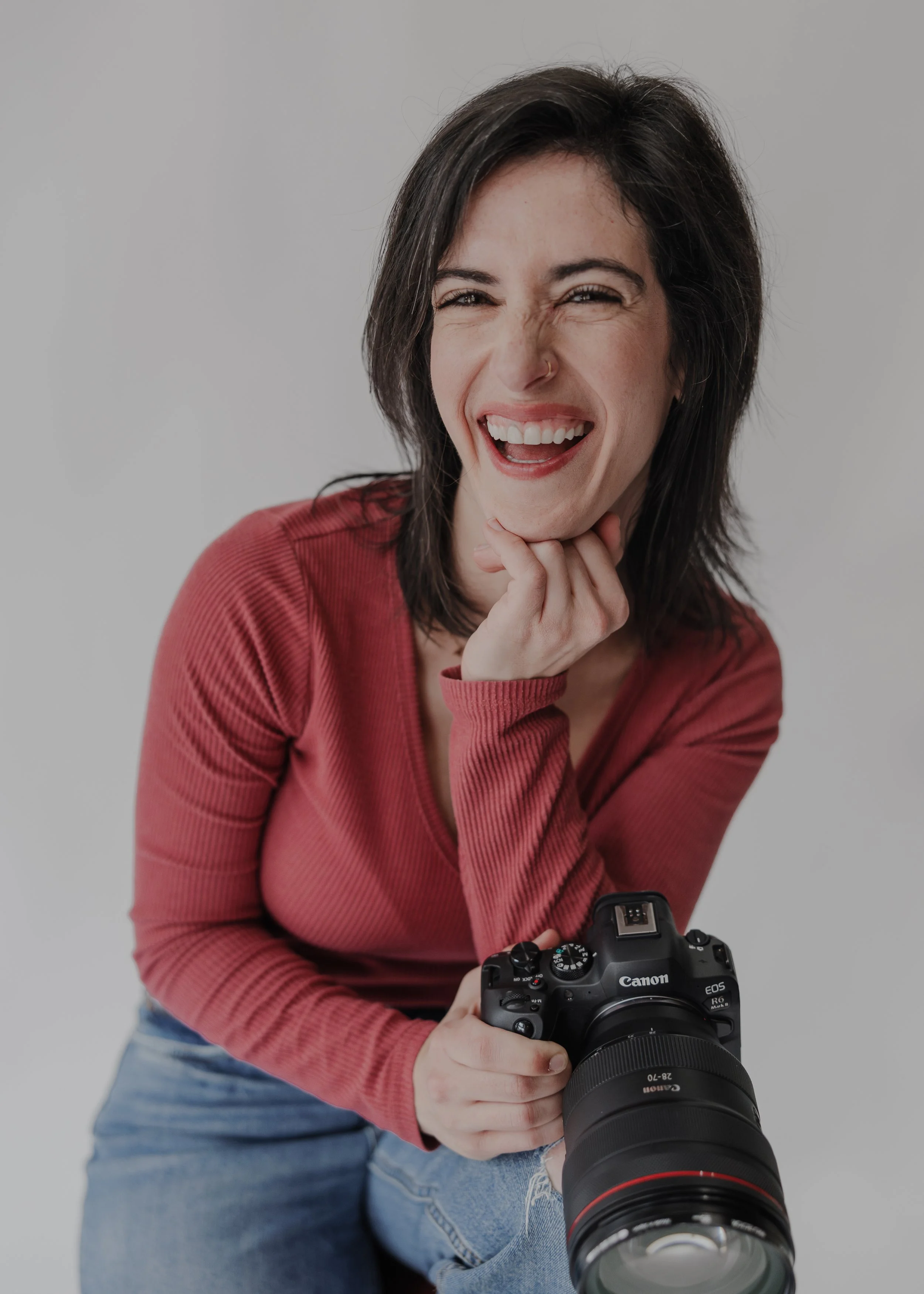
WHY I CARE ABOUT TEACHING THIS:
I grew up with severe Tourette’s Syndrome. I know what it feels like when people see what your body is doing before they see you. Now I’m a mom to a child with ADHD and childhood apraxia of speech, and I’ve watched how quickly other people can make assumptions about what my own child can do.
That history is part of what I bring to my work as a family photographer. The other part comes from listening to the families I’ve photographed, including families with autistic children, children with rare diseases, and children with complex medical needs. They’ve trusted me with details about their lives that I couldn’t have known just by reading a diagnosis. Those conversations have changed where I photograph, how I direct a session, and what I understand a beautiful photo can be.
I want to share what I’ve learned because more families deserve to hear “yes” from a photographer who knows how to follow that answer with good questions, a thoughtful plan, and photos they love.
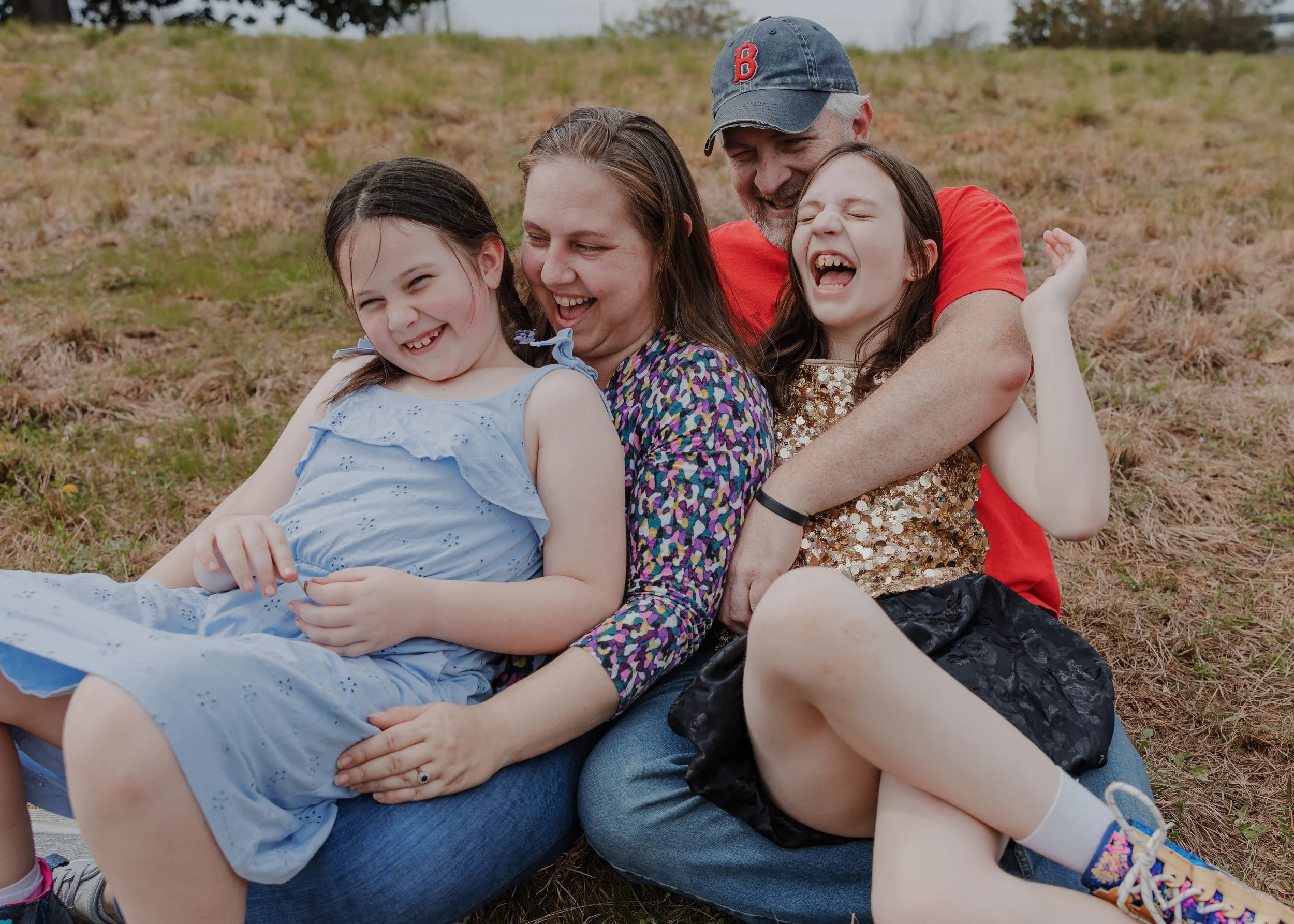
SEE WHAT INCLUSIVE FAMILY PHOTOGRAPHY LOOKS LIKE in REAL LIFE
Every family below needed something different from me. These stories show how conversations with parents shaped the location, the pace of the session, and the photos we made together.
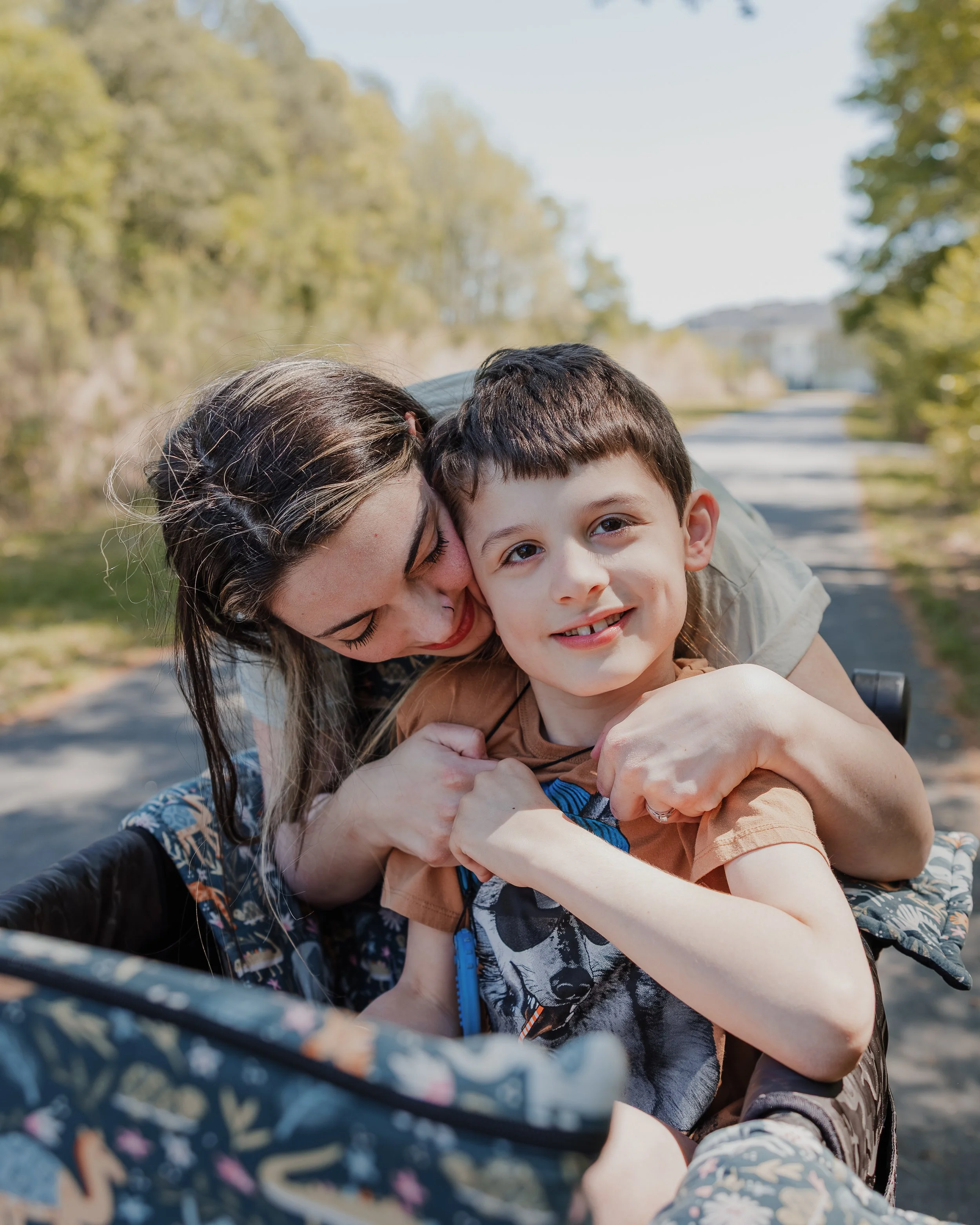
Planning Around Safety and Movement
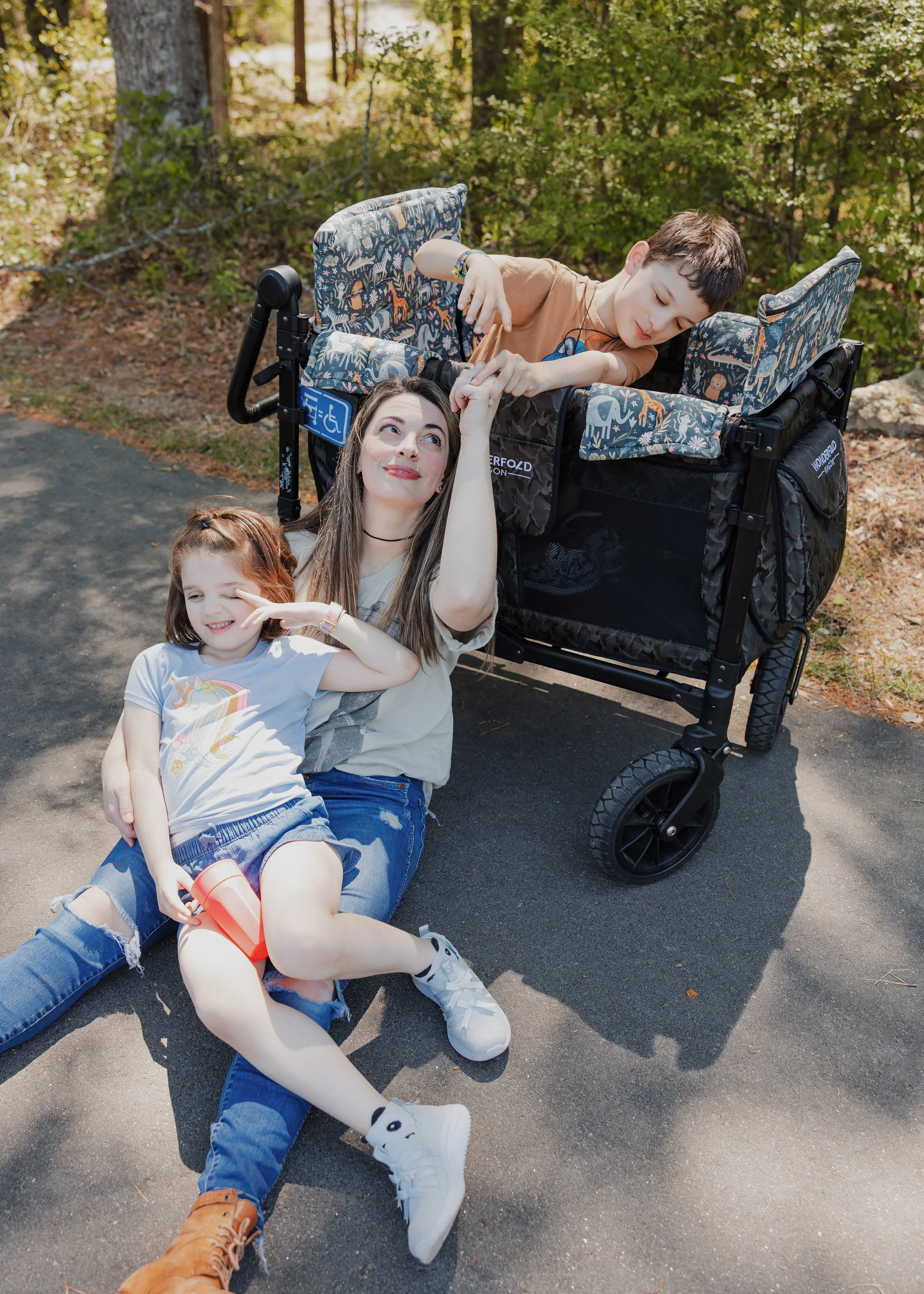
For this session with two profoundly autistic children, we began at home and walked to a greenway the family was already comfortable with. Read about why that location worked for them, how their wagon fit into the session, and the photo their mom had hoped for but never thought she’d get.
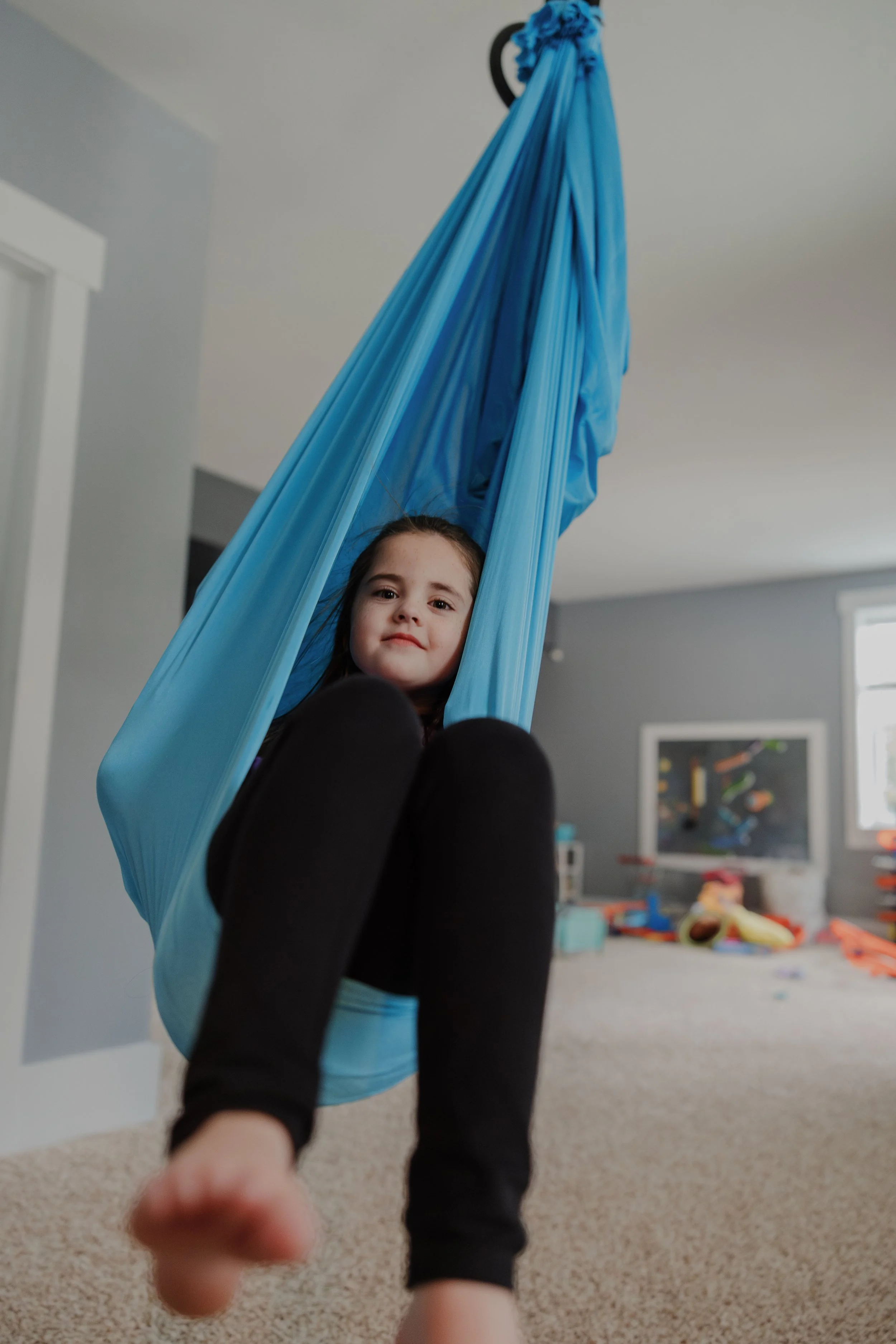
Letting a Child’s Interests Lead
At this in-home session, the children showed me the things they loved, from Pokémon cards to practicing jiu-jitsu. See how learning about their interests beforehand helped me photograph their family’s connection without asking the kids to perform for the camera.
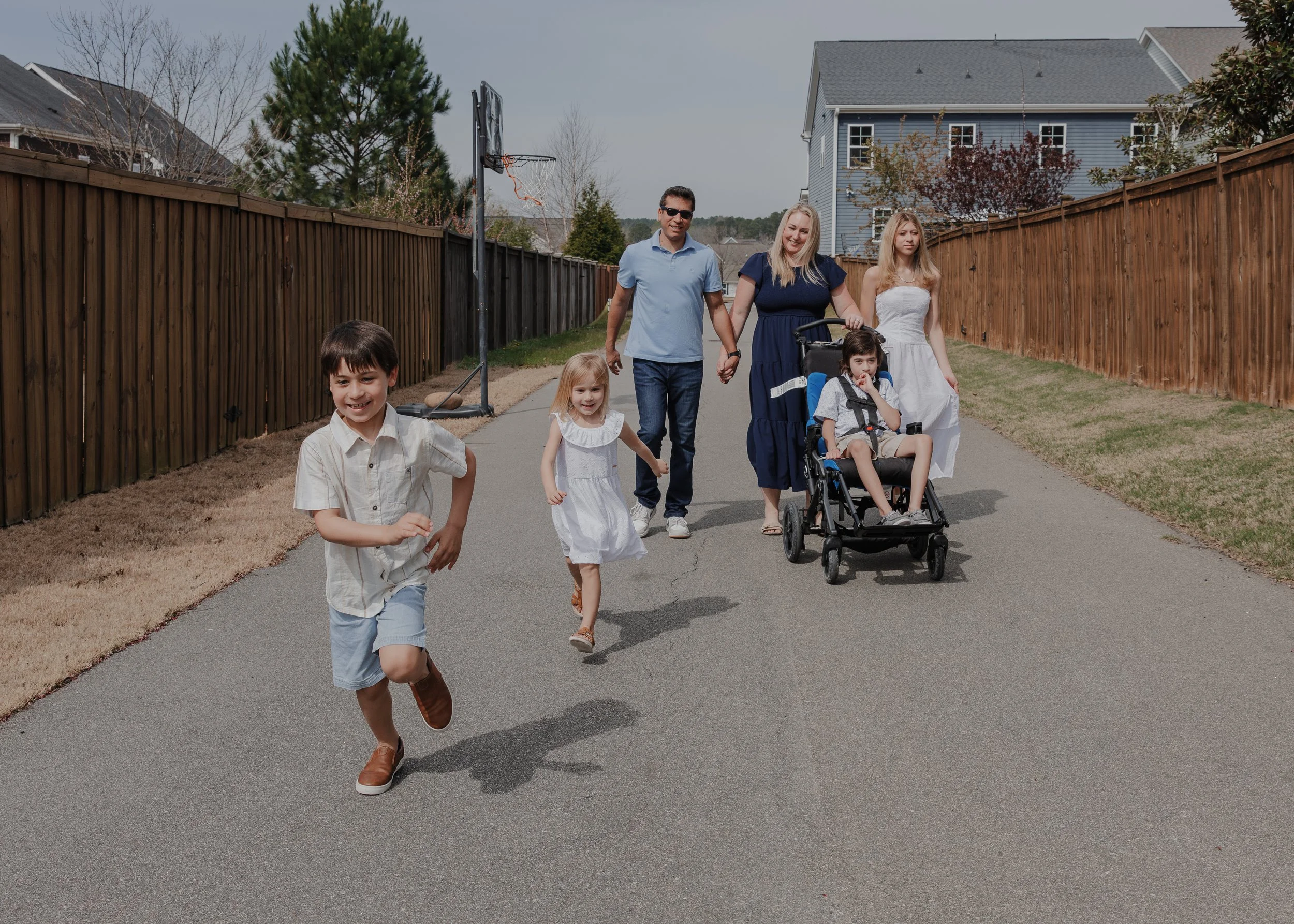
Capturing a Medically Complex Family
After years without family photos, this family wondered whether a session could work for their four children, including a son affected by severe birth trauma. Read about the photos we made at home and outdoors, with the family’s routines and adaptive equipment intentionally included in their story.

FREQUENTLY ASKED QUESTIONS
-
Yes. If you photograph families and want to feel more prepared when someone shares their child’s needs with you, you’re in the right place. You don’t need to know every diagnosis. You do need to know how to ask good questions and use the answers to plan a session that works for that family.
-
Yes. I’m building the course around real sessions with families navigating autism, ADHD, PDA profiles, rare diseases, birth trauma, and other medical needs. The focus is on how to learn about each person’s abilities and needs, because two children with the same diagnosis may need very different things from a photographer.
-
Yes. We’ll talk about how to guide a family when sitting still, making eye contact, moving independently, or following a direct prompt isn’t possible or comfortable for someone. You’ll learn how I adjust my direction while still making photos that show the relationships between people.
-
I’m creating it now and don’t have a launch date to share yet. Join the email list and I’ll send you practical ideas as I build it, along with the details when the course is ready.

A COURSE FOR FAMILY PHOTOGRAPHERS WHO WANT TO PHOTOGRAPH NEURODIVERGENT & MEDICALLY COMPLEX FAMILIES WITH MORE UNDERSTANDING & CONFIDENCE.